
Bahamas
& its routes.
1 sample 7- and 14-day catamaran route from the Bahamas charter base. Each opens onto a day-by-day plan with map, mileage and mooring notes — adapt to your group, weather, and the kind of week you want.
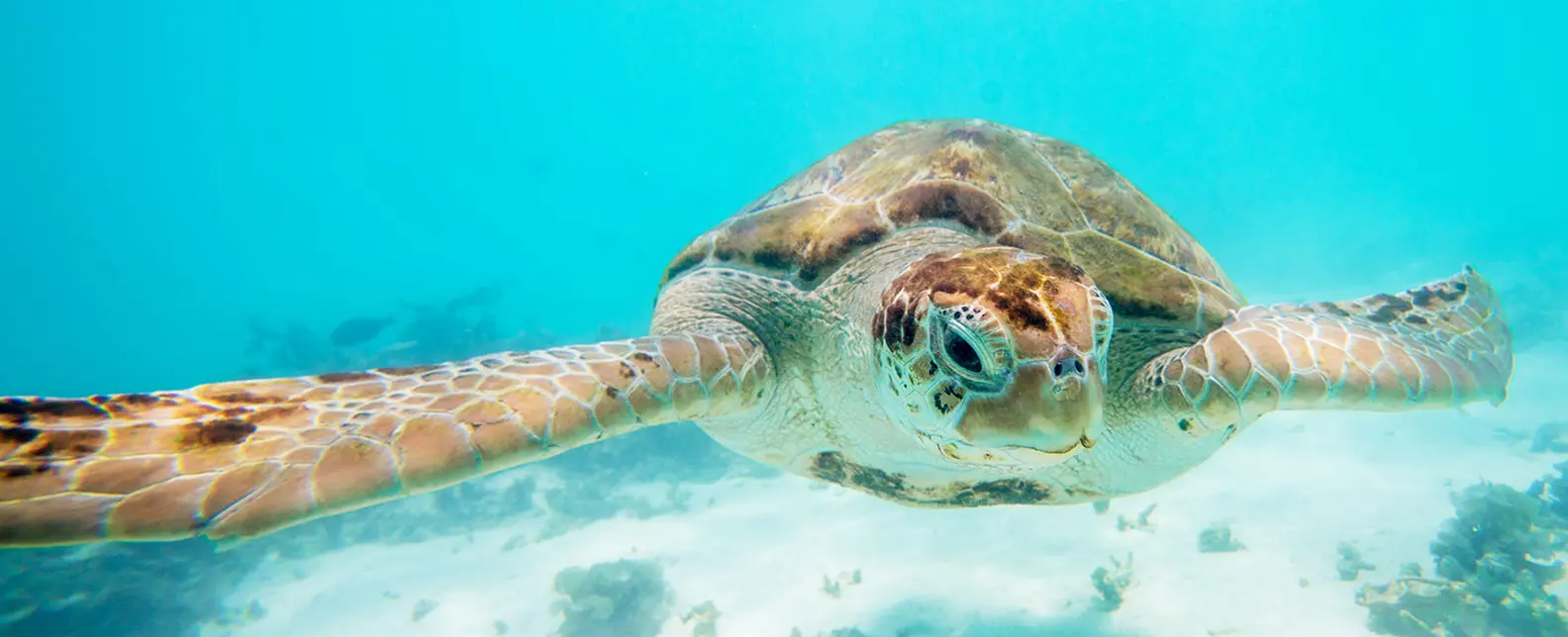
Pick your week from Bahamas.
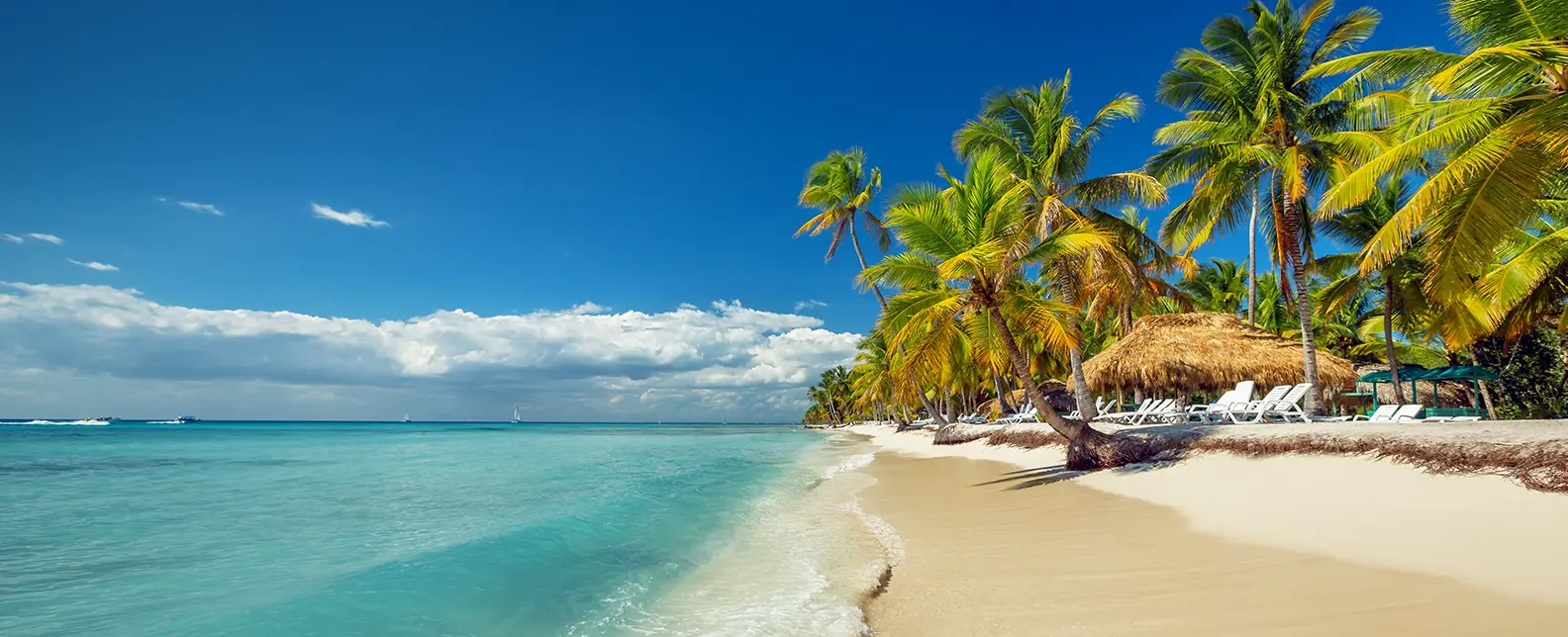
Bahamas, in the broker's words.
The Bahamas are a 700-island archipelago stretched across 100,000 square miles of turquoise shallow water — a geography unlike anywhere else in the catamaran world. The two main charter regions are the Abaco Islands (operating out of Marsh Harbour) and New Providence with the central Exumas (operating out of Nassau). Average water depth across the Sea of Abaco is three to seven metres, the colour is the famous unbroken turquoise, and the summer water temperature touches 30 °C — bath-warm by Caribbean standards.
The Abacos are the more concentrated catamaran charter base. The Sea of Abaco is a 90-mile-long protected lagoon between the mainland and a chain of barrier cays, with line-of-sight passages between Hope Town, Man-O-War Cay, Great Guana Cay and Green Turtle Cay rarely exceeding 8 nautical miles. The one open-ocean pinch on a typical week is Whale Cay Channel — a 30-minute crossing into the Atlantic before re-entering the lagoon, straightforward in 15-knot trades and under-4-foot swell.
Nassau-based catamaran charters run downwind to the central Exumas — the iconic swimming-pig and Thunderball Grotto destinations — across a 35-NM Yellow Bank passage (open Atlantic but typically flat in trade-wind conditions). A one-week Nassau charter typically reaches Staniel Cay and turns back; 10-day or 14-day charters push south to Georgetown for the best snorkelling and diving on the Tropic of Cancer.
Charter season runs December through April at peak with steady 15-20 kt easterly trades, water at 24-26 °C, clear shallow visibility regularly 30+ metres on the Exuma reefs. May and June stay reliable with fewer crowds at 25-35% off peak rates. July through October is hurricane window — most operators close as the Bahamas sit on the standard hurricane track. November reopens the fleet with last-minute availability before the December peak. Cold fronts (Atlantic depressions sliding down the US east coast) push through November-February at roughly fortnightly intervals; each front brings 24-48 hours of north wind that closes the open Atlantic-facing anchorages.
Roughly 200 catamarans operate from the Bahamas split between two bases. Marsh Harbour runs ~100 hulls — The Moorings + Sunsail combined fleet at Conch Inn Marina (Lagoon 42 / 46 dominant), Dream Yacht Charter at Mangoes Marina, plus Cruise Abaco's specialist operation. Nassau runs ~100 hulls — MarineMax Vacations + Sunsail at Palm Cay, Dream Yacht Charter at Hurricane Hole Marina (Atlantis property). Power catamarans are stronger in the Bahamas than elsewhere in the Caribbean — Aquila 36 / 44, Leopard PC 53, MarineMax 443, Sunreef Power — because the two-hour Yellow Bank crossing and the long shallow runs reward motoring speed. Bareboat licence rules are stricter here than the BVI: most operators require an ICC plus a documented Caribbean sailing résumé.
Choosing between the two bases: Marsh Harbour for line-of-sight shallow-water cruising, shorter hops, Hope Town's iconic candy-stripe lighthouse and the easiest Bahamas first charter. Nassau for the Exumas — the photogenic, Instagram-famous side of the Bahamas with pig beach, Thunderball Grotto, and the Exuma Cays Land and Sea Park. The two bases don't connect on a standard 7-day week (130 NM crossing through the Northwest Providence Channel). 14-day charters can chain Exumas and Abacos via the Berry Islands as a stepping-stone.
Trade winds blow on a clock at 15-20 kt easterly through the peak season, dropping to 12-15 kt in shoulder months. The Sea of Abaco stays calm (0.5-1.5 m chop) inside the barrier; the Exuma Bank runs slightly choppier outside the marine park. Squalls pass year-round in 20-30 minutes. Tidal currents around the cuts (Whale Cay Channel, Cave Cay Cut, Conch Cut into the ECLSP) demand right-tide entry — the operator briefings include the daily tide chart and the VHF 16 Whale Cay status broadcast.
Costs beyond the bareboat fee: Bahamas Cruising Permit (~US$300 for the season), fishing permit (~US$30 if trolling), Exuma Cays Land and Sea Park fees (US$10-15/night per boat for moorings inside the marine reserve), fuel (US$300-500/week — Bahamas burns more than BVI because of the longer crossings), end cleaning (~US$300). Provisioning is expensive — most goods imported from the US at 30-40% markup over Florida prices. Budget US$140-200 per person per day for self-provisioned crews. A peak-season 7-day Bahamas catamaran charter for six adults totals US$16,000-25,000 all in.
The Bahamas suit families with kids who love shallow turquoise water and snorkelling, returning bareboaters who already know the BVI, photographers (the swimming pigs, Thunderball Grotto, and the sandbars at Pipe Creek are the canonical Bahamas shots), and crews who want quieter anchorages than the BVI delivers. The longer passages and cold-front sequence make the Bahamas a notch more demanding than the BVI but a notch easier than the Grenadines. For the absolute first bareboat in the Caribbean, start in the BVI.
Bahamas — questions answered.
Tailor a Bahamas week — we'll quote within hours.
Send dates and group size. A broker matches the catamaran, the route, and the weather window.